

 Australia's Leading Terminal Operator
Efficiency, Expertise and Experience. Powering Australia’s Imports and Exports.
Patrick Terminals is Australia’s leading container terminal operator. Patrick operates some of Australia’s most technologically advanced container terminals at four strategically located ports around the Australian coast. Patrick’s network of terminals includes, Brisbane Autostrad, Sydney Autostrad, Melbourne and Fremantle.
1399
vessels
handled
last 12 months
3.332 mil teu
handled
per annum
3.9 km
quay line
91
autostrads
25
quay cranes
3
ARMG
Strategically Located at Australia's Key Ports
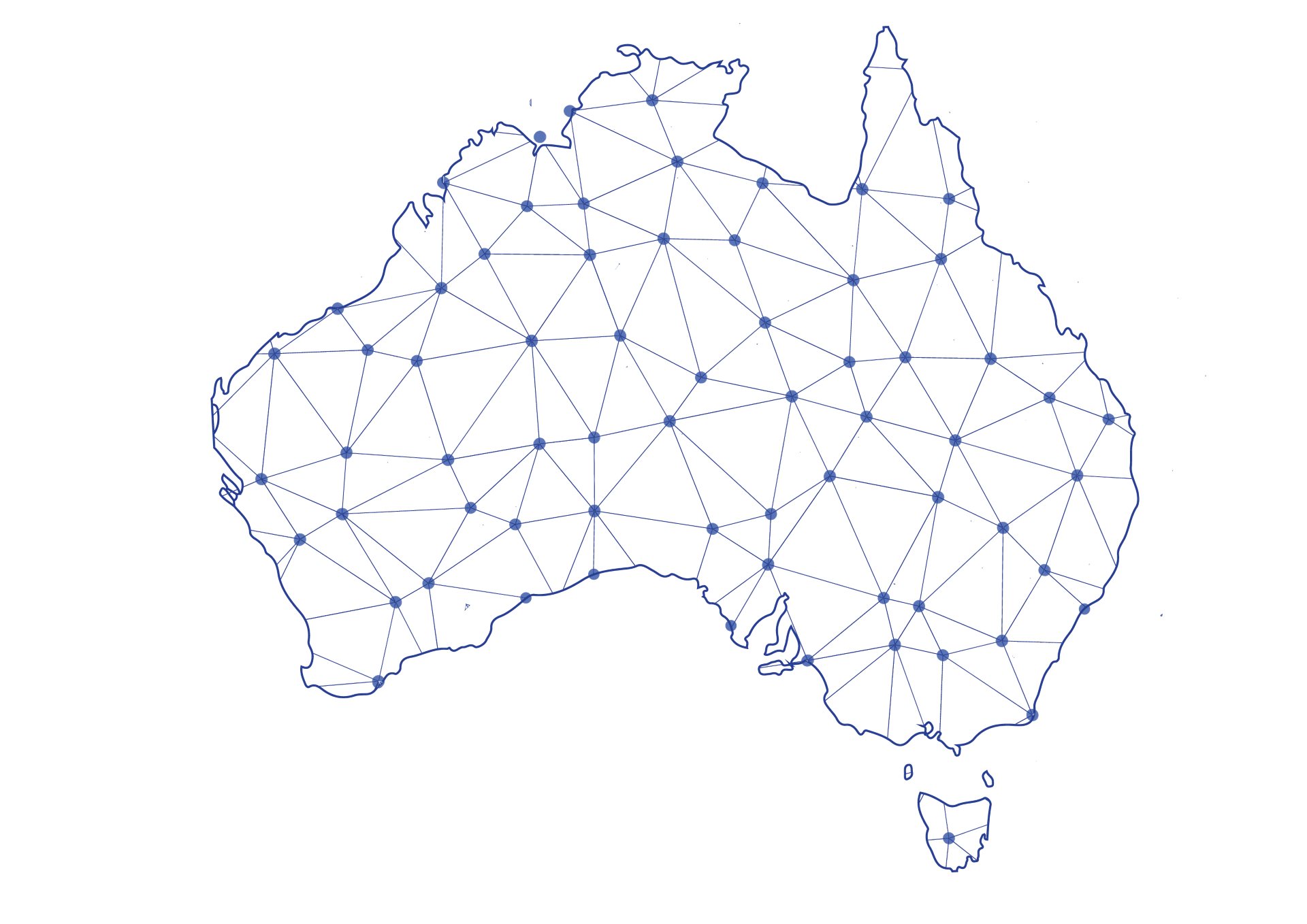
Hover over any of our locations on the map to see more information about them.
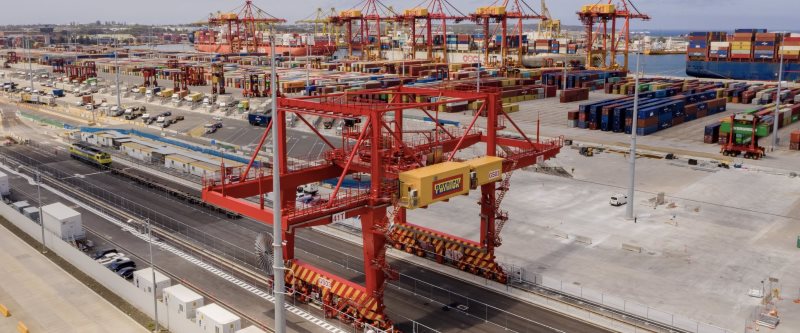
The Patrick Sydney AutoRail Terminal is a phased development of a state of the art fully automated rail terminal jointly funded by NSW Ports that increases rail capacity at Patrick Terminals – Sydney AutoStrad from 250,000 TEU to over 1 million TEU per annum when fully operational.
- 600,000 TEU pa on rail
- Full automated rail terminal improving efficiency
- State of the art safety systems
- Direct access to quay line through automated rail terminal connected to AutoStrad yard
- Fully connected to the Greater Sydney and regional rail networks
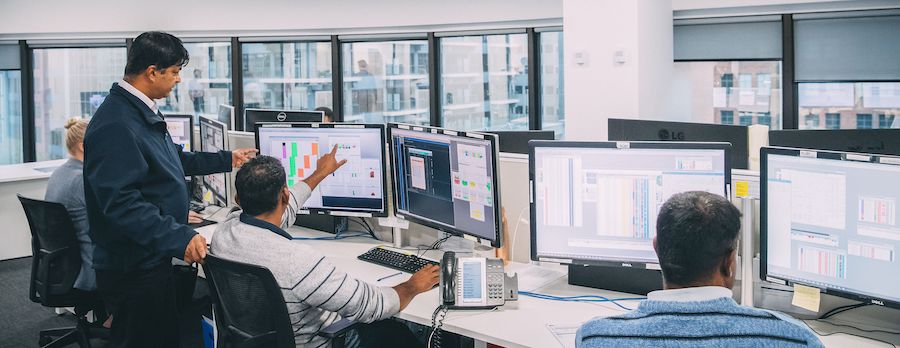
The National Operations Centre (NOC) is a 24-hour nationwide vessel planning, vessel scheduling and customer support centre.
- Single point of contact for customers
- Nationwide vessel scheduling and window optimisation
- Dedicated 24/7 vessel planning and customer support service
- Performance-enhancing market and customer analysis
- Terminal performance management optimisation

Patrick Rail specialises in providing import and export rail access to the three major Melbourne terminals.
- 10,000+ TEU handled annually
- 100% connectivity with vessel sailings
- Overnight service
- Custom bonded facility
- Storage solutions in Melbourne and Adelaide
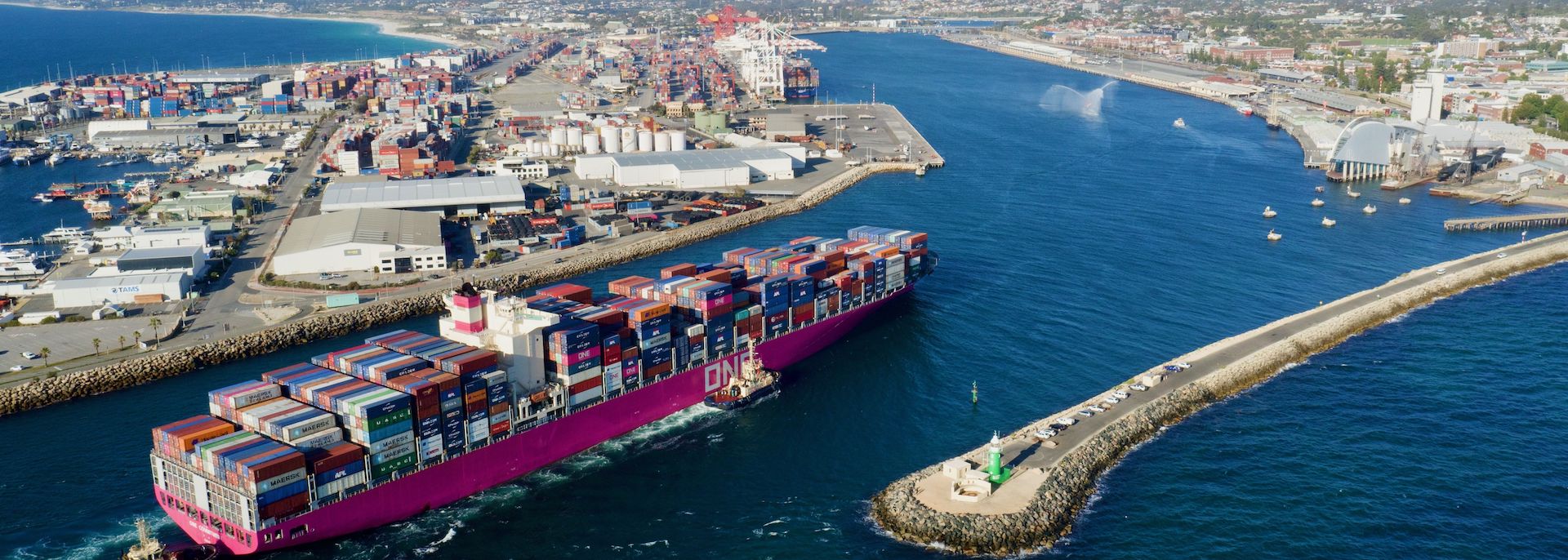
Patrick Terminals – Fremantle provides a premium gateway to Western Australia with market leading berth productivity and R&D performance.
- 4 Berths (Berths 7,8,9 and 10)
- 646m Quay line and maximum draft of 14.5m
- 600,000 TEU Capacity
- 22 ha (3,500 ground slots)
- 400 Reefer Plugs
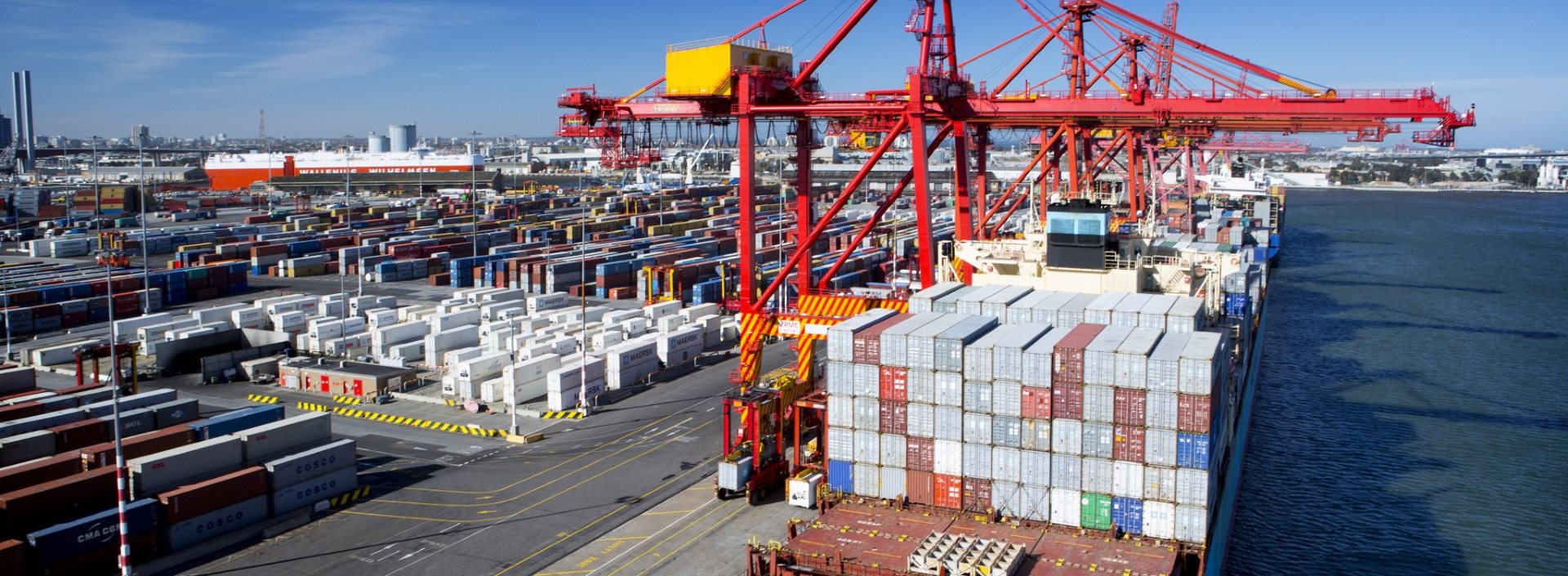
Patrick Terminals – Melbourne is Melbourne’s premium terminal, offering unparalleled productivity and market-leading R&D performance.
- 3 Berths (Berth No 1, 2, and 3)
- 885m Quay line and maximum draft of 14.6m
- 1.4M TEU Capacity
- 40 ha (6,530 ground slots)
- 1,202 Reefer Plugs
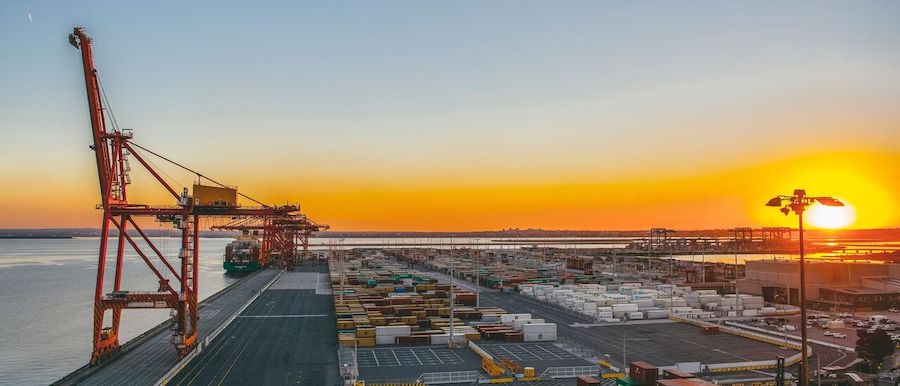
Sydney AutoStrad Terminal was opened in early 2016 and is the largest Container Terminal in Sydney by capacity.
- 4 Berths (Berth No 6, 7, 8 and 9)
- 1,400m Quay line and maximum draft of 15.2m
- 1.6M TEU Capacity
- 63 ha (7,100 ground slots)
- 800 Reefer Plugs
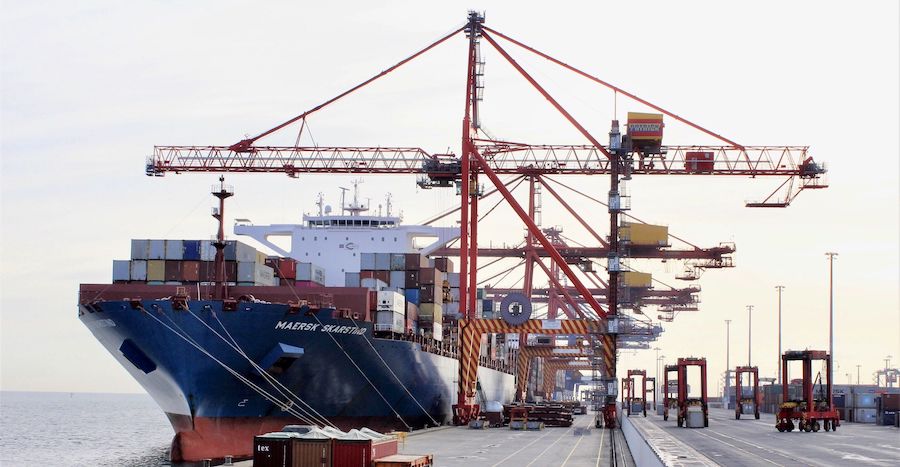
Brisbane Autostrad Terminal was opened in 2007 and was the first automated Container Terminal in Australia.
- 3 Berths (Berth No 8, 9, and 10)
- 930m Quay line and maximum draft of 14m
- 1.16 million TEU Capacity
- 40ha (5,760 ground slots)
- 1,124 Reefer Plugs
Patrick Terminals - Sydney AutoRail
The Patrick Sydney AutoRail Terminal is a phased development of a state of the art fully automated rail terminal that increases rail capacity at Patrick Terminals – Sydney AutoStrad from 250,000 TEU to over 1 million TEU per annum when fully operational. Phase 1 commences operation in early 2021 and phase 2 which will increase the rail siding length to 600 metres is scheduled for completion in 2023.
The new rail expansion project will improve rail turnaround times, whilst also providing increased rail services and windows. 1 million TEU on rail reduces truck movements around the port by 900 per day which equates to an estimated decrease in CO2 emissions of approximately 5,400 tonnes per annum with the use of rail versus trucks.
The new rail terminal provides direct access for importers and exporters to global markets and supports the intermodal network of Sydney and regional New South Wales.